What made this hard?
Five constraints shaped every decision.
Legacy data
Decades of seismic, well and production data in inconsistent, siloed formats.
No trust model
The platform couldn’t vouch for its own data — quality lived in people’s heads.
Fragmented workflows
Discovery, QC, comparison and sharing were spread across disconnected tools.
Expert users
Experienced geoscientists with strong habits and little patience for friction.
AI skepticism
People had to trust an AI second opinion without surrendering their judgment.
The reframe
We weren’t solving a discovery problem. We were solving a trust problem.
Users had data. What they lacked was confidence in what to use, why, and what it would mean for their decision.
A connected workflow for trustworthy decisions
Discovery
Find the most relevant data
Evidence & Judgment
Understand and trust the recommendation
Confident Choice
Compare and select with confidence
Decision Review
Challenge and validate
Data Trust Center
Govern and reuse with confidence
What research revealed
- 01
Finding data was never the bottleneck
Experts located datasets in minutes — then lost hours deciding which version they could trust.
- 02
Trust lived in people, not the platform
Confidence came from asking a senior colleague. That judgment didn’t scale and broke for new hires.
- 03
Evidence arrived too late to shape the call
Quality signals surfaced after a dataset was chosen — people rejected data they couldn’t judge, not data that was wrong.
How the research narrowed
- 31 interviews
- 8 recurring themes
- 3 design principles
- 5 platform moments
Why it stopped being a data catalog
A data catalog helps you find data. A decision platform helps you trust it.
- SearchWhere it started
- DiscoverFind data by intent
- UnderstandInterrogate the evidence
- DefendCompare and justify the choice
- GovernTrust that persists
From concept to system
One idea, sharpened in stages — fidelity increases left to right, from a rough sketch to the shipped platform.
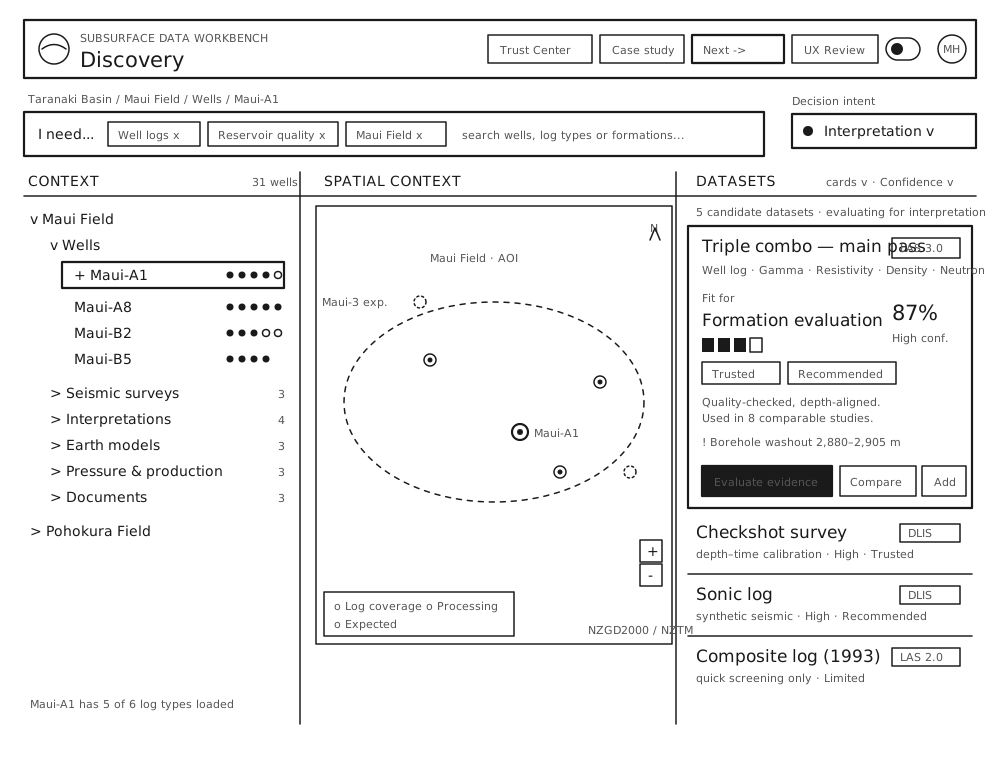
Exploring trust and workflow ideas
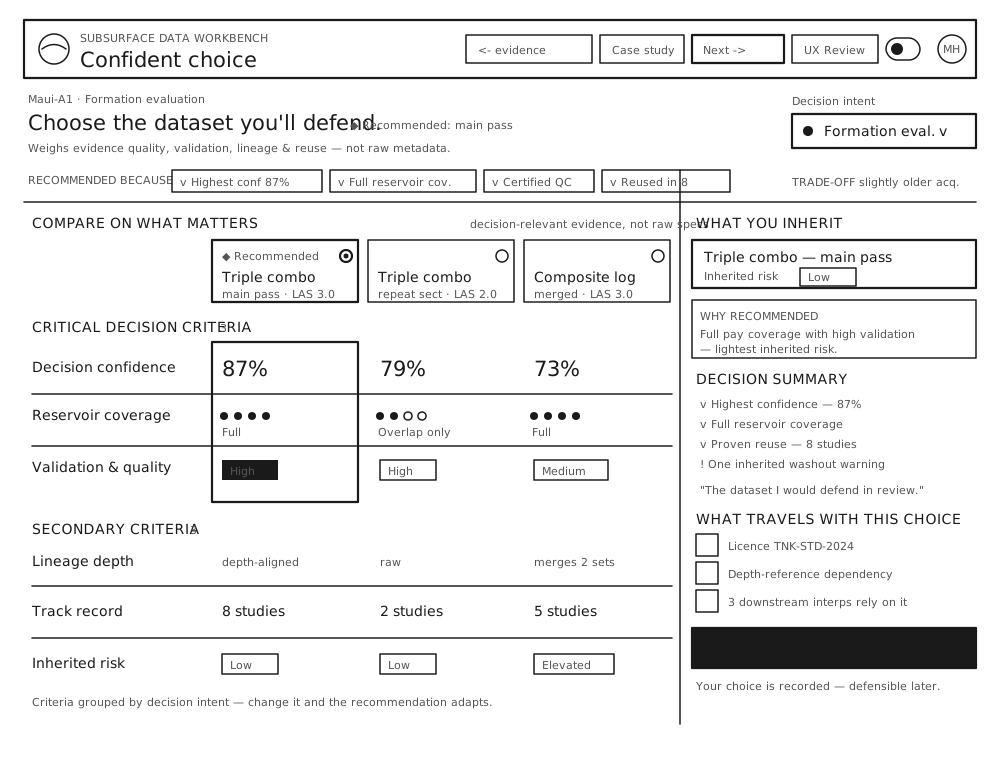
Defining the information architecture
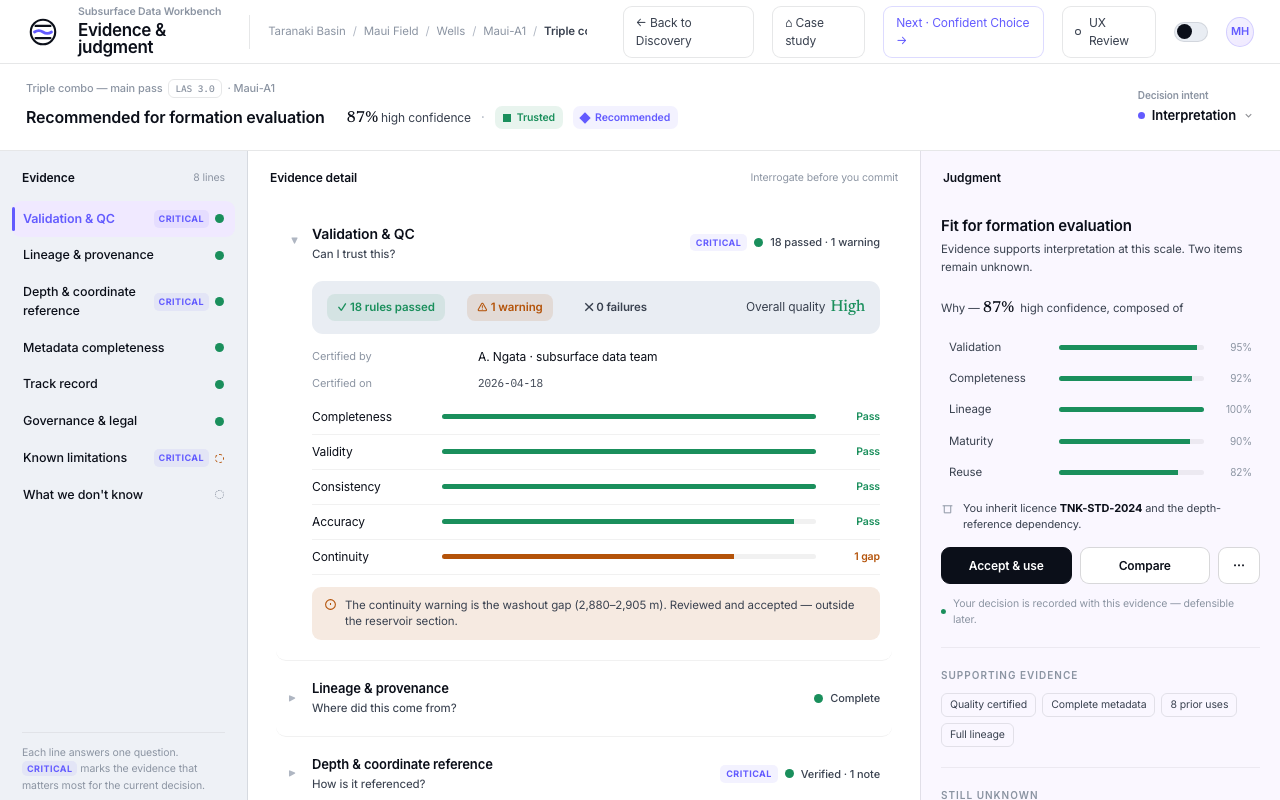
Validating flows and interactions
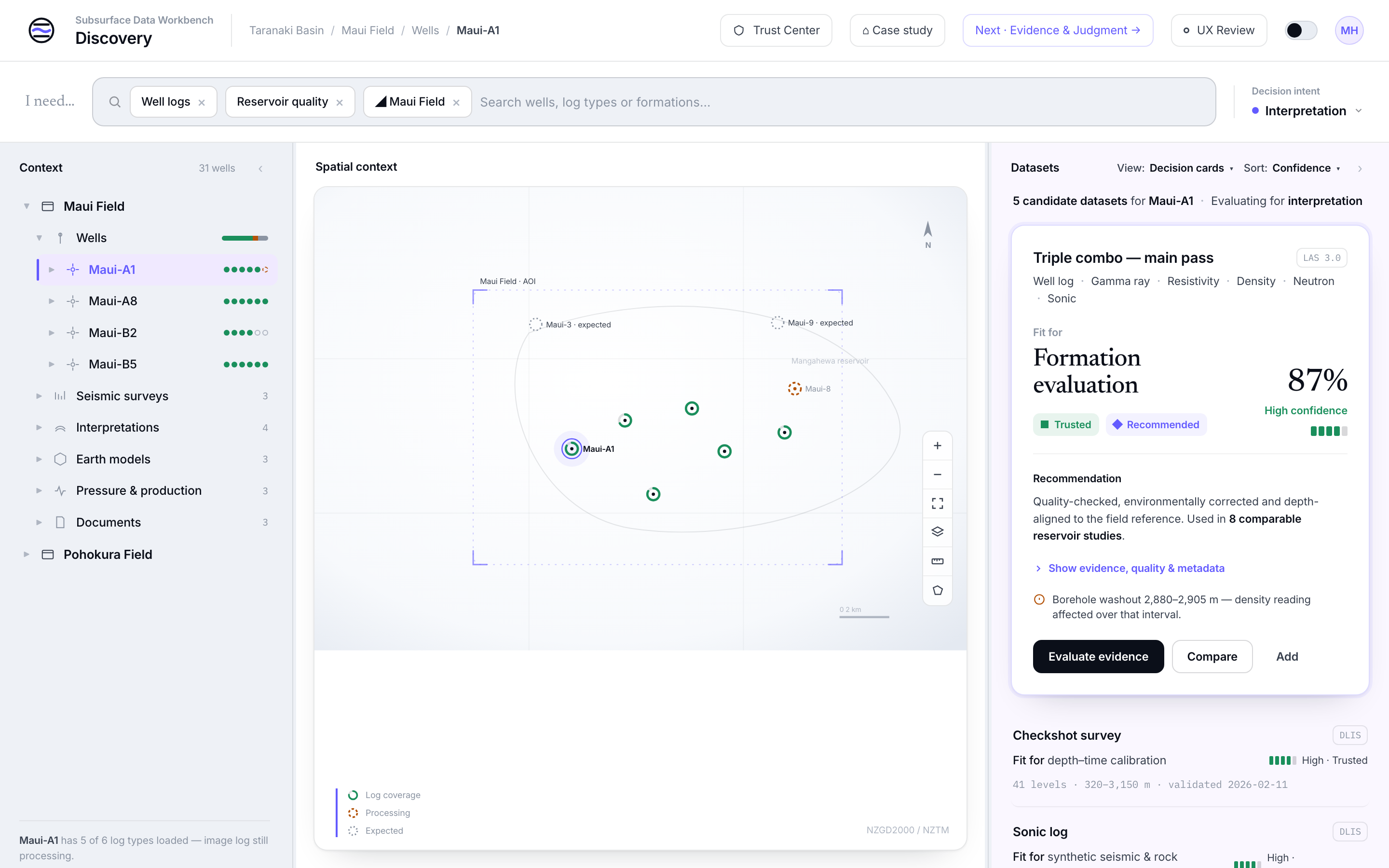
Refined into a coherent enterprise experience
The five moments, designed with purpose
- DiscoveryDomain expert
Goal Find the most defensible dataset.
Principle Surface confidence before metadata.
WireframeFinal UI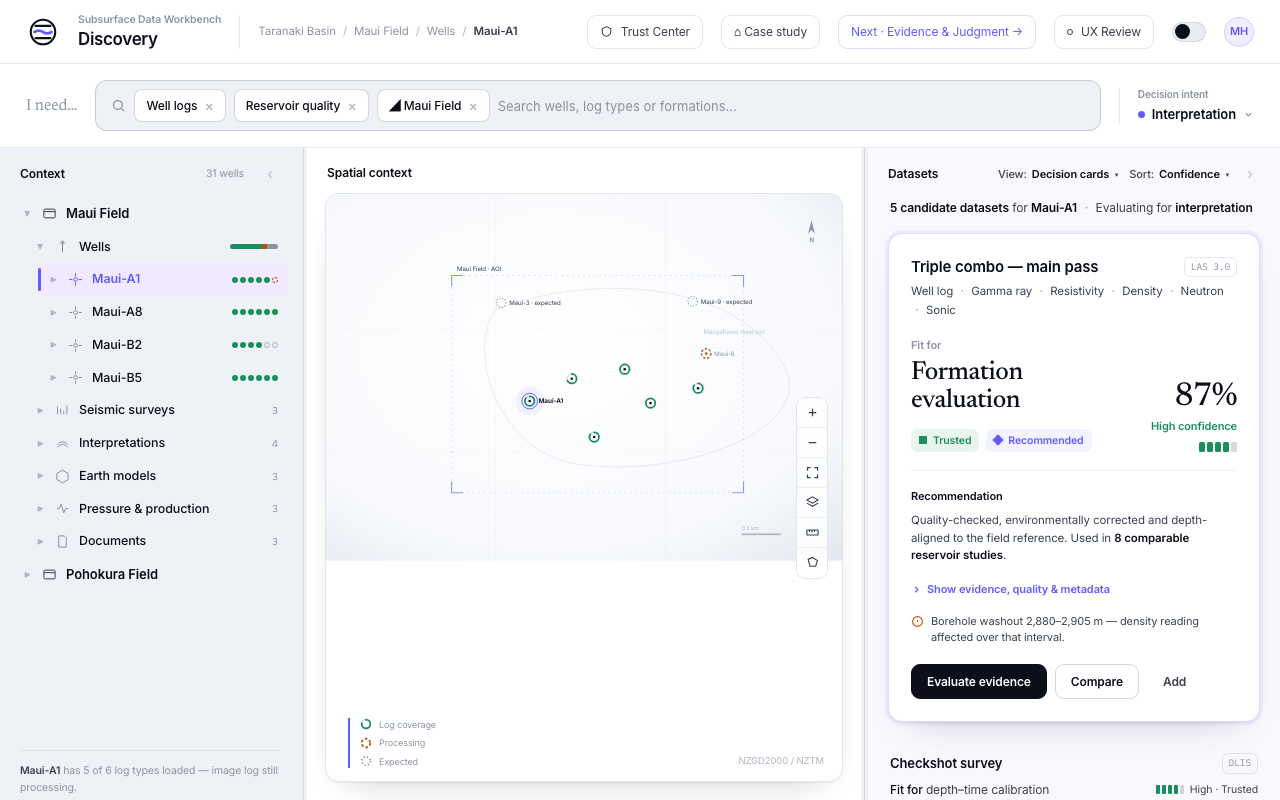
- Evidence & JudgmentDomain expert
Goal Explain recommendations, not just generate them.
Principle Trust comes from evidence.
Wireframe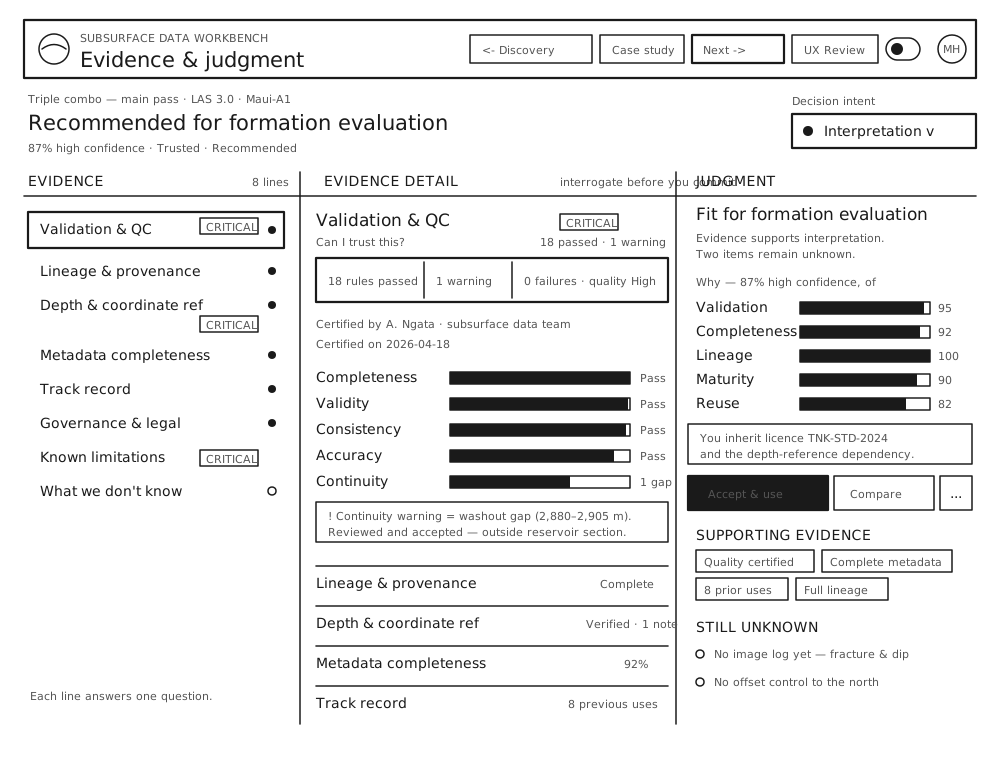 Final UI
 - Confident ChoiceDomain expert
Goal Compare decisions, not files.
Principle Compare what matters.
WireframeFinal UI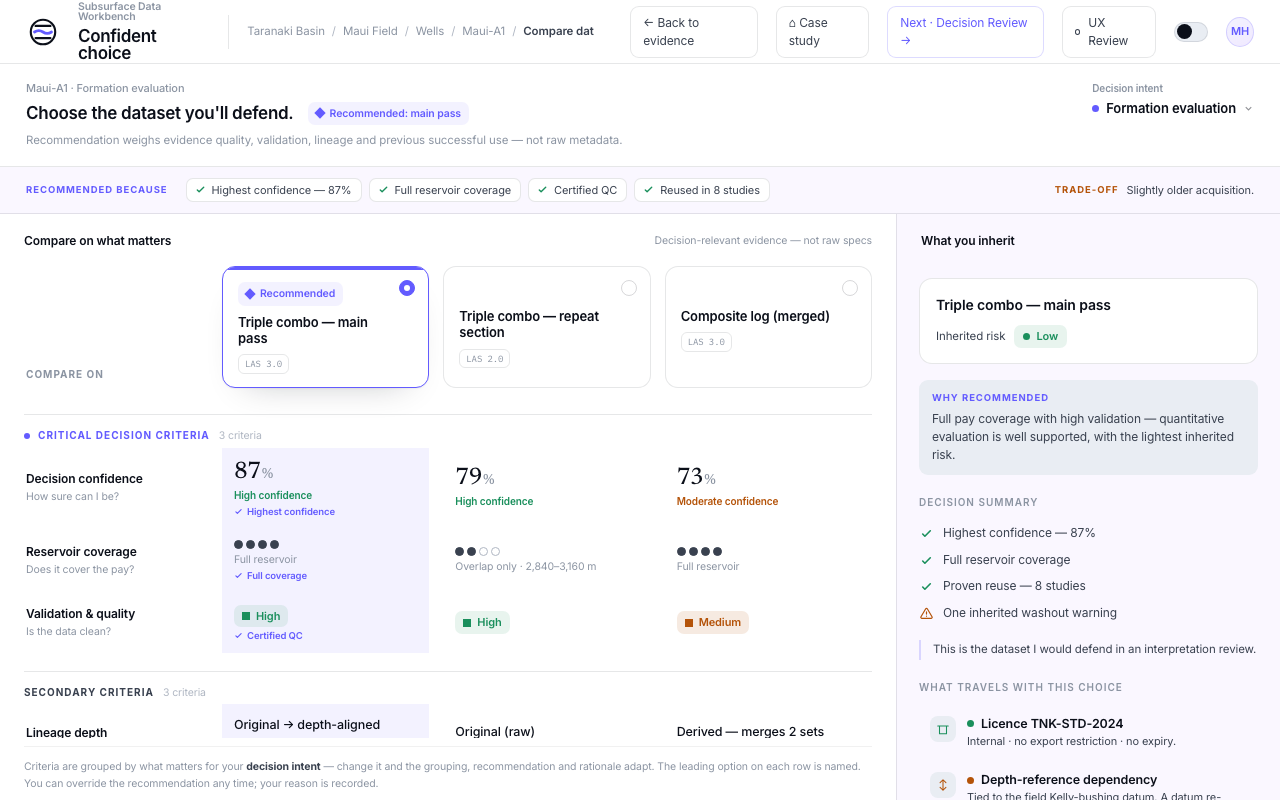
- Decision ReviewDomain expert
Goal Provide an explainable second opinion.
Principle Challenge decisions before commitment.
Wireframe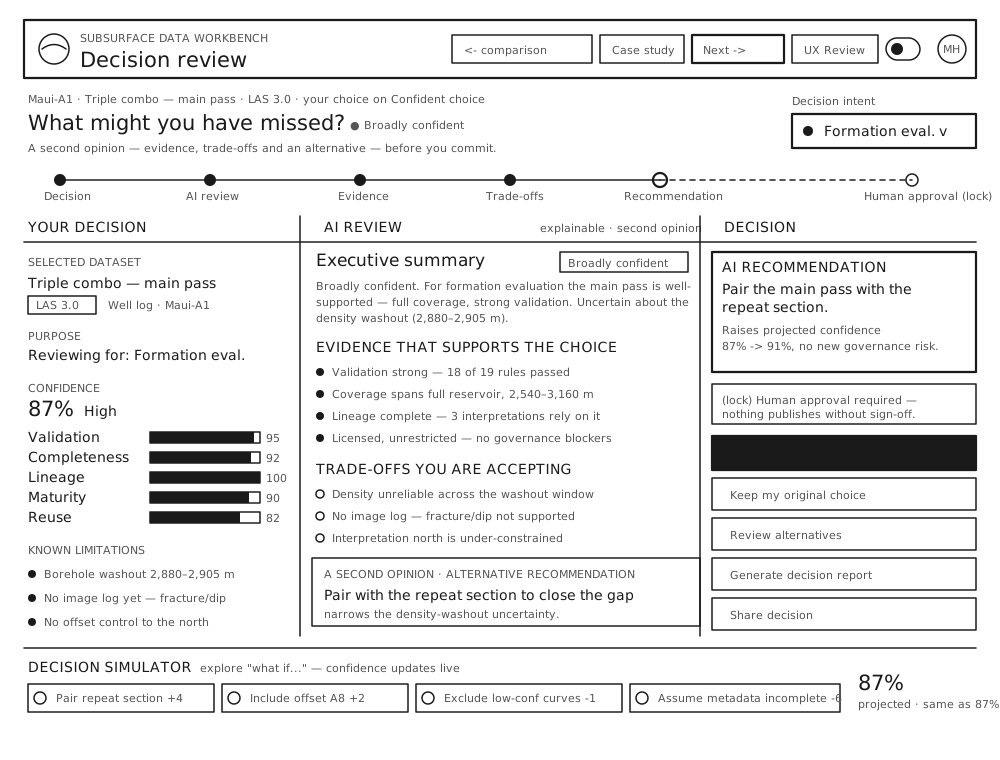 Final UI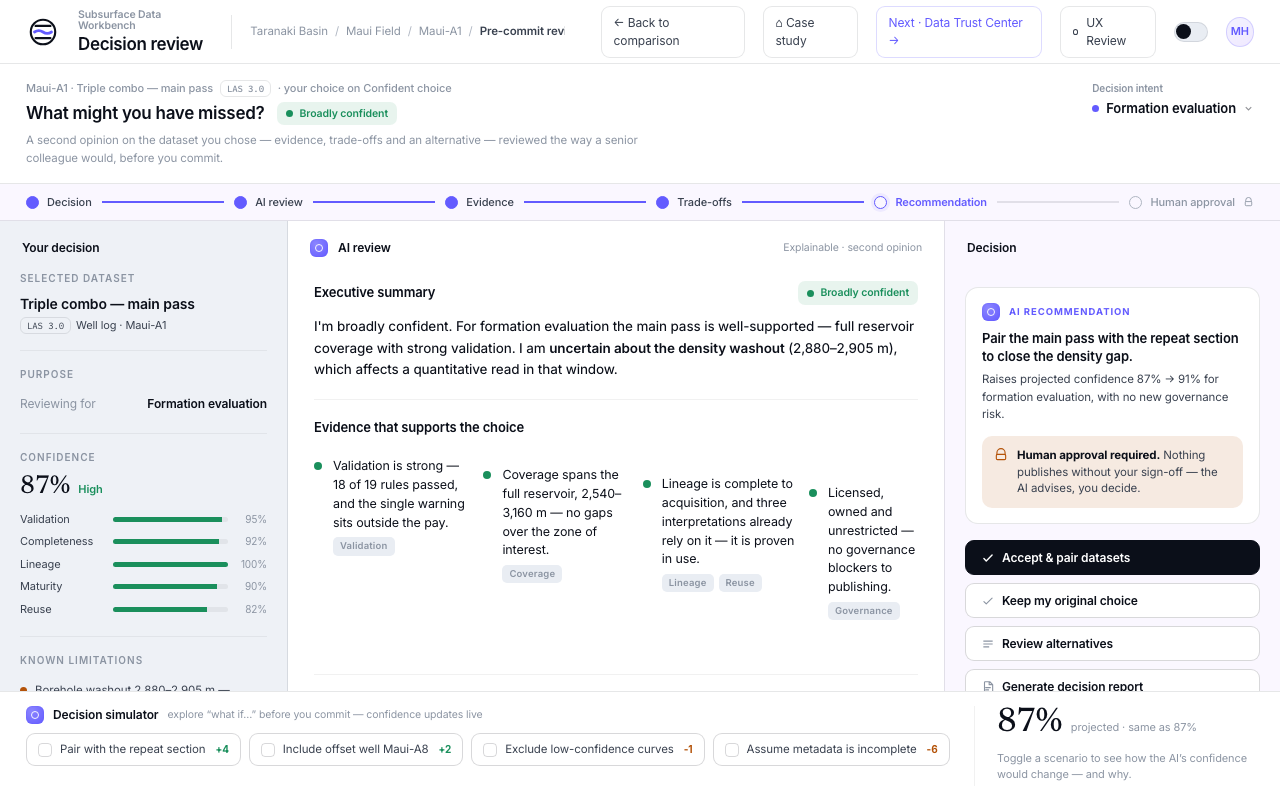
- Data Trust CenterData manager
Goal Govern data after decisions.
Principle Trust doesn’t end after selection.
Wireframe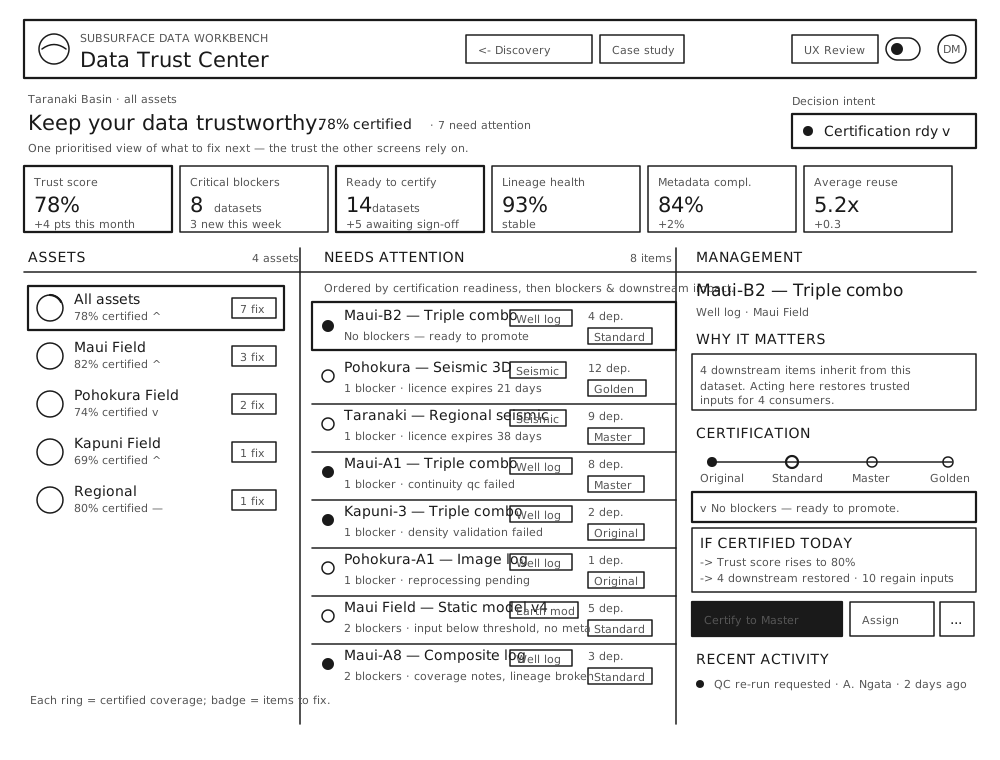 Final UI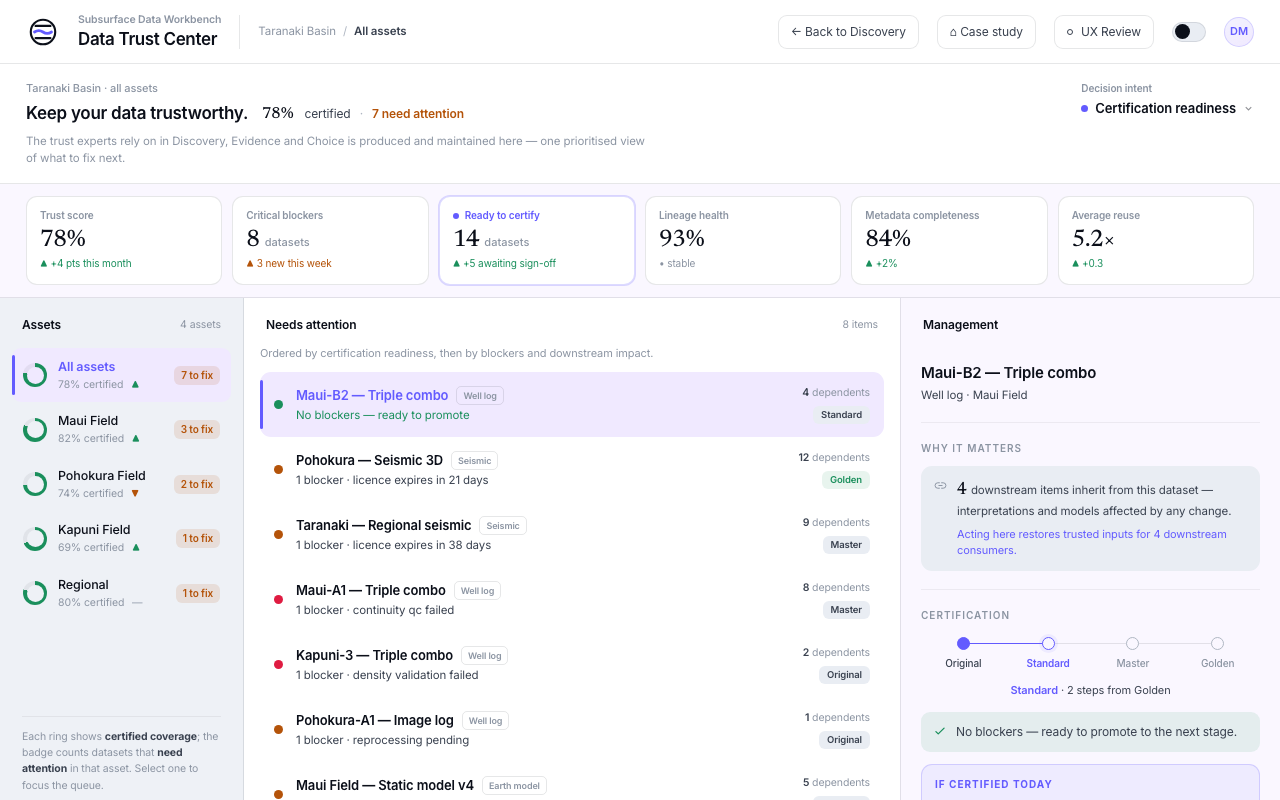
The information architecture remained intact
Most of the work happened in hierarchy, confidence signals, interaction patterns and explainability.
- Structure
- Logic
- Interactions
- Visual refinement
Responsible AI
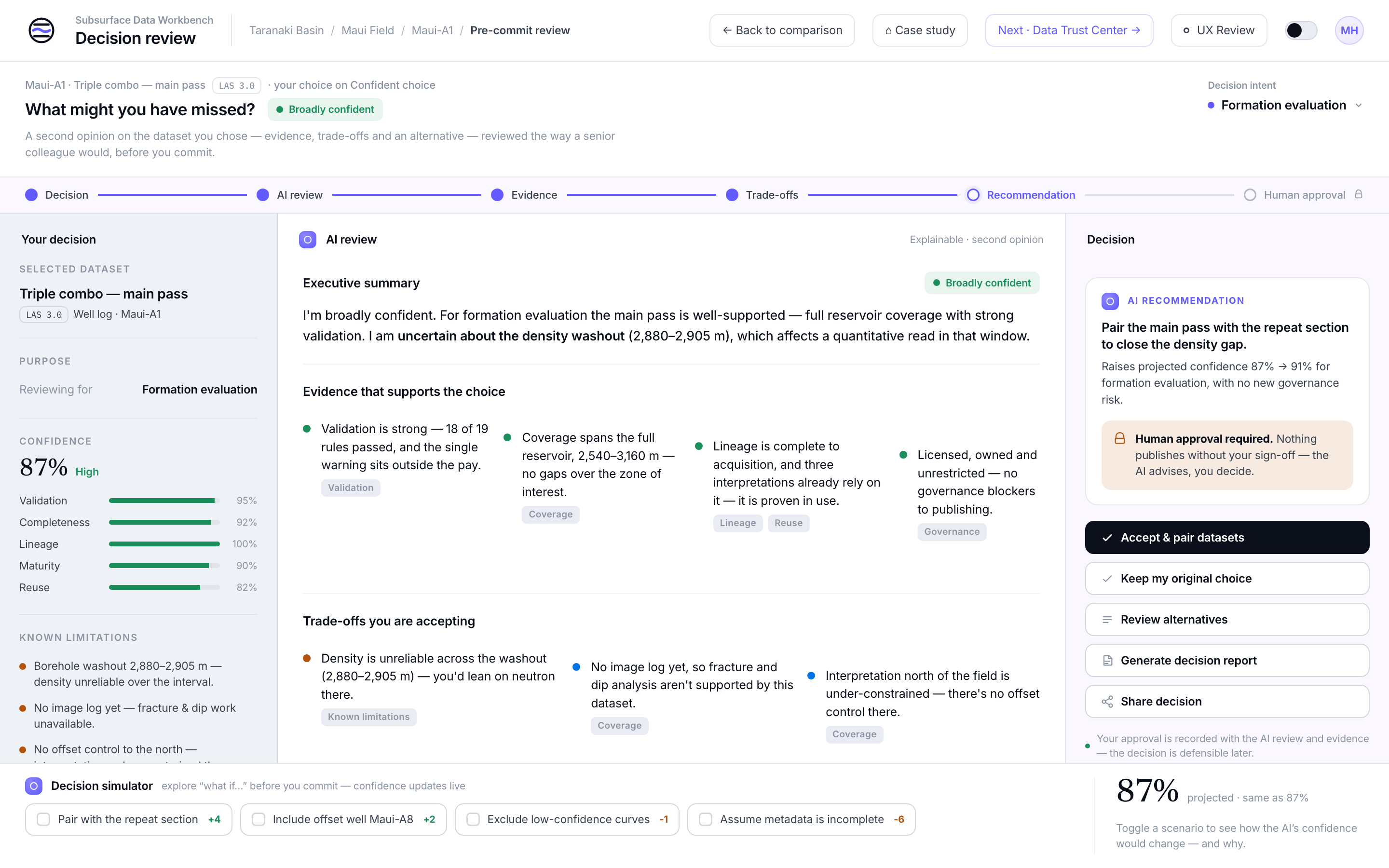
An AI companion that pressure-tests the call
After a choice is made, an embedded companion reviews it like a senior colleague — surfacing evidence, trade-offs and a second opinion with a confidence delta. Every recommendation is explained, and final approval always stays with the human.
- A second opinion with an explicit confidence delta
- A what-if simulator that updates projected confidence live, with reasons
- Human-in-the-loop — the expert always makes the final call
- Not a chatbot — responsible AI built into the workflow
The shift
The product became a decision platform.
- Discovery became evidence-aware
- Recommendations became transparent
- Decision reviews became defensible
- Governance became continuous
Leadership reflection
This project taught me that engineers rarely struggle with information — they struggle with confidence. The design challenge wasn’t finding data; it was making every recommendation defensible.That changed how I think about enterprise UX.
Beyond the interface
Cross-functional leadership
In closing
This project wasn’t about redesigning data management. It was about changing how engineers build confidence before making decisions. By connecting discovery, evidence, choice, review and governance into one continuous workflow, the product shifted from a collection of tools into a trusted operating model.
Why this isn’t just oil & gas
I design the decision, not the industry.
The surface domain was subsurface data, but the pattern is domain-agnostic: high-stakes decisions made on data people can’t fully trust, where being wrong is expensive and experts have become the bottleneck. The same design moves — surface confidence before detail, make lineage legible, keep a human in the loop on the AI — apply directly to fintech risk, clinical decision support, fraud and security operations, and supply-chain planning.
Appendix
Low fidelity — the design evolution in detail